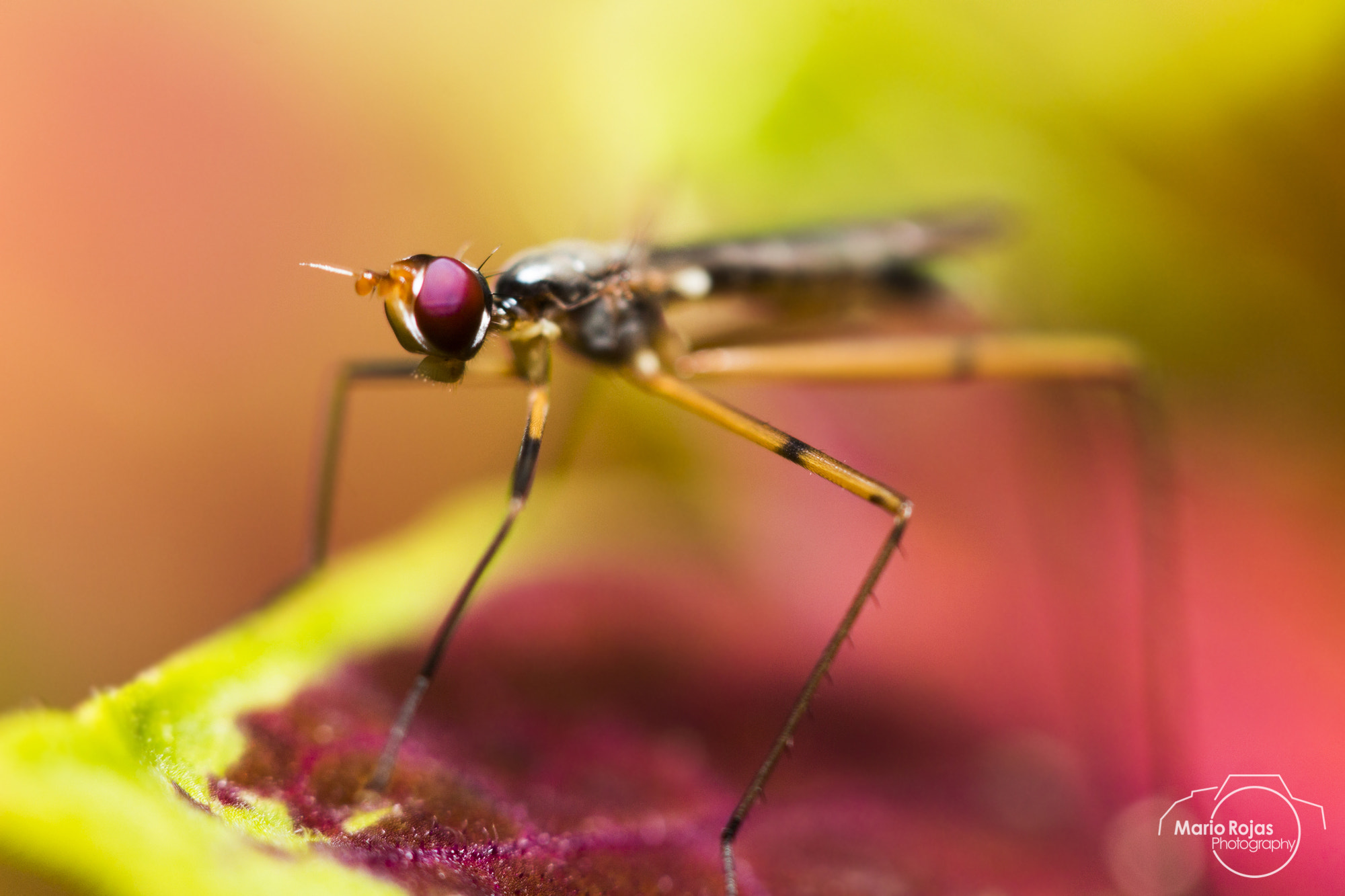
A Silver Spring company is releasing 600,000 non-biting male mosquitoes across Bethesda and neighboring communities this summer, betting that bacteria-infected insects can shrink the local mosquito population without a drop of pesticide.
Bee Safe Mosquito Control, owned by Todd Montgomery and founded in 2022, serves 25 homes across Bethesda, Silver Spring, Takoma Park and Washington, D.C., Fox 5 DC reported. Each property receives about 1,500 male mosquitoes per week. The males carry a gut bacterium called Wolbachia. When they mate with wild females, the resulting eggs never hatch.
The approach sidesteps traditional chemical spraying entirely. Montgomery works directly with homeowners rather than municipal governments, and the company has not disclosed pricing publicly, saying it varies too widely by property.
Lab-intensive process
The science is proven but labor-intensive. Dr. Kathy Heinsohn, an entomologist with American Pest, told Fox 5 on Tuesday, July 28 that the technique "requires labs to rear, mass-rear mosquitoes, and then select out the males."
The World Mosquito Program has deployed Wolbachia-carrying mosquitoes since the 1970s in Indonesia, Colombia, Singapore and Australia to combat dengue. Alphabet, Google's parent company, is separately seeking EPA approval to release 64 million sterile males in California and Florida.
Timing matters
The program comes as mosquito-borne disease risk rises locally. The Maryland Department of Health confirmed the state's first human West Nile virus case of 2026 on Friday. The patient lives in Maryland's Capital Region. In 2025, 23 Marylanders tested positive for West Nile; in 2024, 18 did.
Dr. Meg Sullivan, the state's deputy secretary for public health services, urged residents to use insect repellent, cover exposed skin, and eliminate standing water near their homes. A container as small as a bottle cap can hold up to 1,000 mosquito larvae.
What Bethesda residents should know
The mosquito releases are ongoing through summer 2026 across the 25 enrolled properties. Residents who spot clouds of small insects near participating homes are likely seeing the non-biting males. Montgomery partners directly with individual homeowners who opt in.
For residents not enrolled, the state's advice holds: dump any standing water weekly, wear repellent at dusk and keep window screens in good repair.



.jpeg)

.jpg)