Eleven community organizations are pressing Montgomery County Public Schools (MCPS) to hold a public work session on how the district spends money on its most vulnerable students.
The groups, including the Bethesda African Cemetery Coalition, Jews United for Justice and the Silver Spring Justice Coalition, released a letter Nov. 2 urging the district to address budget equity concerns raised in a July county report, Bethesda Magazine reported.
The letter asks MCPS, the Board of Education and the County Council to hold a joint work session with the county's Office of Legislative Oversight (OLO), impacted families and students. It also calls on the district to publish a detailed program budget, protect special education services while increasing support for other underserved students and prioritize investments in mental health and restorative justice.
"Part of the hope is that MCPS would have already had public work sessions on this, communicated what they're doing," Danielle Blocker, executive director of Young People for Progress, told Bethesda Magazine. "But because we haven't seen that publicly thus far, we have released this letter."
The push follows a July 14 OLO report that found MCPS underfunds programs addressing the impact of poverty on student achievement and concentrates inexperienced staff in high-poverty schools. Those practices disproportionately hurt Black and Latino students, the report concluded.
The spending gaps are stark. According to the report, MCPS budgeted nearly $30,000 per student for special education in fiscal year 2026, compared with $4,000 per student for emergent multilingual learner (EML) programs and $1,400 per student for compensatory education, which targets the effects of poverty on achievement. Black and Latino students made up 84 to 85 percent of students eligible for free and reduced-price meals (FARMS) and EML services in 2025, the report found.
MCPS has rejected the report's conclusions. In a July 17 letter to the County Council, the district called the findings "inflammatory accusations that are not substantiated with true evidence." The district argued that comparing special education spending with other programs "represents a fundamental misunderstanding of special education," because federal law requires it to fund services for students with disabilities regardless of cost.
MCPS spokesperson Liliana López said in a statement that the district already responded to the report and did not have additional information to share, according to Bethesda Magazine.
The coalition letter counters that the issue is not about cutting special education. Students with disabilities are entitled to needed services, the letter said, but "our concern is whether MCPS adequately funds other students experiencing persistent academic disparities and unmet needs."
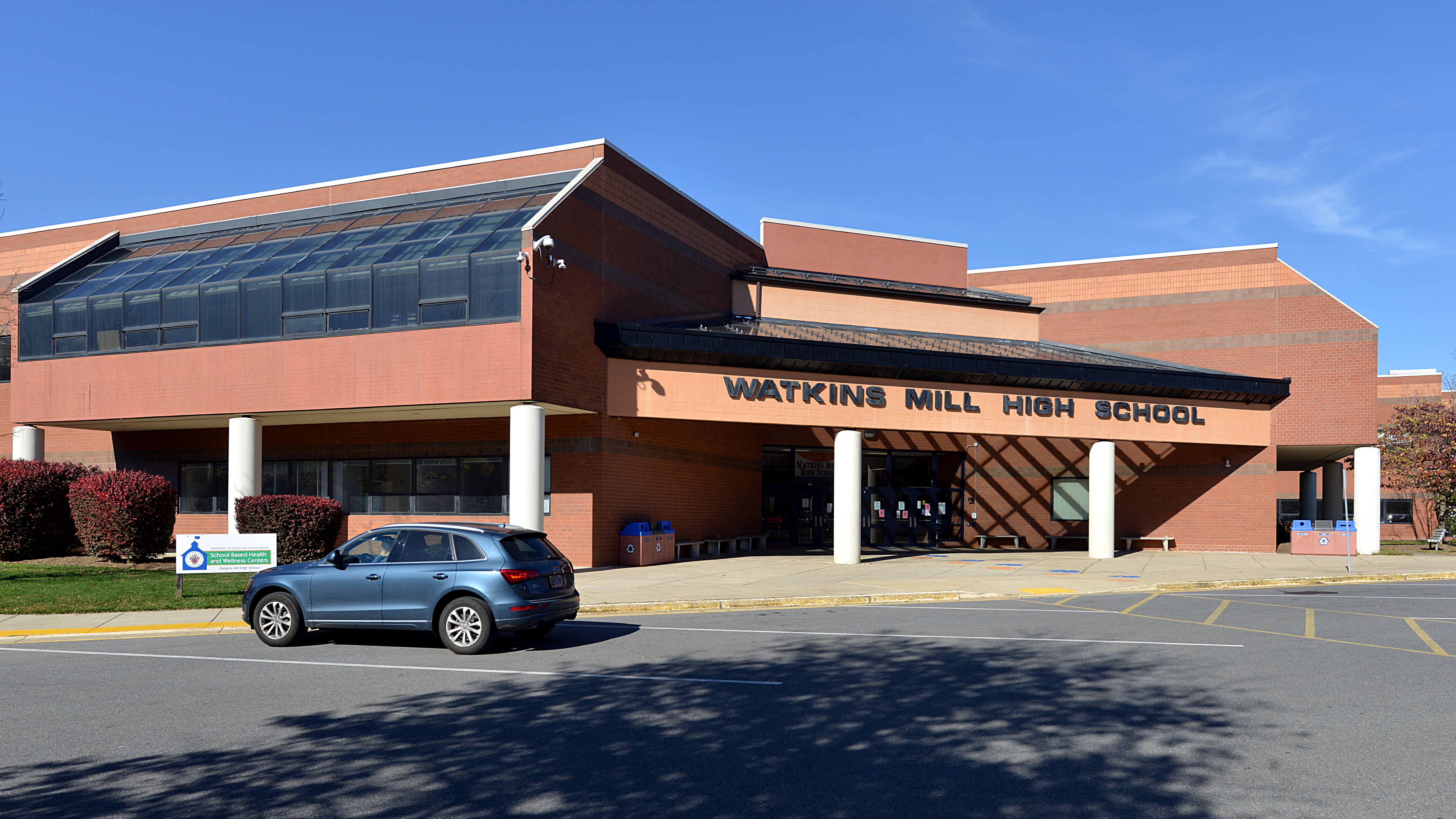
Sheylin Alvarenga Zometa, a junior at Watkins Mill High School and member of Young People for Progress, told Bethesda Magazine she sees the report's concerns play out among Hispanic and Latino students at her school. "When they notice that they are not as supported as maybe their White peers … it just creates this idea that they cannot move forward or that they are less likely to be successful," Alvarenga Zometa said.
County Councilmember Will Jawando (D-At-large), chair of the council's Education and Culture Committee, said in July he was disappointed the OLO and MCPS were "talking past each other," Bethesda Magazine reported at the time. Jawando said the committee would discuss the report in the fall, but the sources available do not indicate whether that discussion has taken place.
The coalition letter said the district's response highlights the need for MCPS to release a detailed budget "showing where state and local dollars go and which students benefit."